Xenon Arc Testing vs. Carbon Arc: Which Weathering Method Fits Your Material?
In the competitive world of manufacturing, ensuring a product’s performance over its lifespan is non-negotiable. Whether it’s the plastic trim on an automotive dashboard, a specialized exterior coating, or a marine textile, real-world exposure to the elements—sunlight, heat, and moisture—is the ultimate test of durability.
When it comes to predicting how materials will perform over time, accelerated weathering testing is essential. It provides the data needed to fast-track product development and ensure compliance. However, selecting the right test method is critical, as two of the most widely used methods—Xenon Arc and Carbon Arc weathering—simulate long-term exposure in very different ways.
The Key Differences in Light Sources
The core distinction between these two methods lies in the light source used to replicate natural sunlight:
What Is Xenon Arc Testing? The Full-Spectrum Simulator
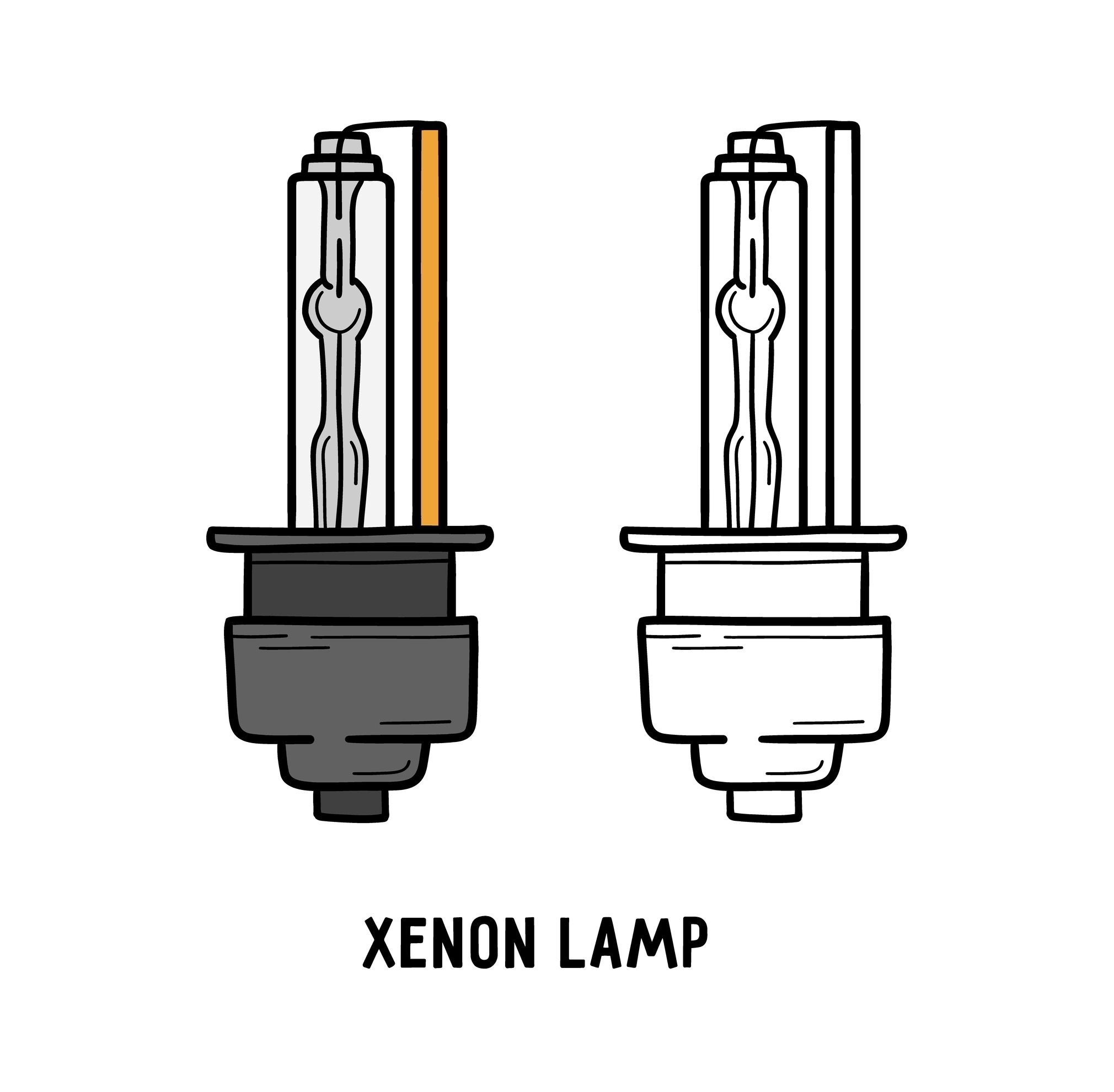
Xenon arc testing uses a xenon gas lamp to replicate the full spectrum of natural sunlight. This includes Ultraviolet (UV), visible, and Infrared (IR) radiation.
- Best For: Materials that experience prolonged, direct sunlight exposure. This includes automotive interiors, exterior coatings, high-performance plastics, and specialized textiles.
- Advantage: The test chamber allows for precise control over temperature, humidity, and irradiance, closely mimicking real-world environments like hot, arid deserts or humid, tropical climates (following standards like ISO 4892-2 or ASTM G155). Many modern companies rely on this method because its spectrum provides the closest match to natural daylight.
What Is Carbon Arc Testing? The Legacy Standard
Carbon arc testing has been a trusted standard for decades and remains specified in many legacy OEM (Original Equipment Manufacturer) and industry specifications.
- Key Feature: It produces a different UV spectrum than the xenon arc, with a higher ratio of shorter-wavelength UV light.
- Best For: Certain industrial and legacy materials, especially those with long-established test protocols (like ASTM G152 or SAE J1885).
- Relevance: While less energy-efficient and providing a less perfect match to full spectrum sunlight than xenon, the carbon arc remains critical for meeting specific older automotive and aerospace compliance standards where the specification explicitly calls for this method. If an OEM’s legacy document dictates a carbon arc test, you must perform it to achieve approval.
Which OEM Specifications Call for Each Method
Most current automotive specifications call for xenon arc. On our A2LA scope, xenon arc methods include SAE J2527 (exterior), SAE J2412 (interior), ASTM G155, ASTM D7869, GMW14162 (Method D), Ford FLTM BO 116-01, ISO 4892-2, ISO 105-B06 (Procedure 5), Rivian RTS.1744, and Tesla TP-0000701.
Carbon arc remains in legacy and some Asian OEM specifications. On our scope, these include AATCC TM 16.2, ASTM G152 and G153, GM9125P, Honda HES D6501, Nissan NES M0135, and Toyota TSL 0601G (Method A). If your drawing or material specification names a carbon arc method, a xenon arc result is not a substitute, and the reverse is also true.
Test Cycles, Water Spray, and Exposure Time
Both methods run in cycles that combine light, heat, and moisture. A cycle typically alternates light and dark periods and adds water spray or condensation to mimic rain and dew, while the chamber controls irradiance, black panel temperature, and humidity. Exposure is specified either in hours or as radiant exposure at a set wavelength, and evaluations usually measure color change (ASTM D2244), gloss retention, and cracking or chalking at set intervals. Your specification sets the cycle, so we confirm it before testing starts.
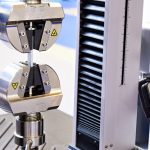
Xenon Arc Testing Equipment at GPTesting
We run xenon arc exposures in Q-SUN xenon test chambers and keep carbon arc capability for the specifications that still require it. See our Q-SUN xenon test chambers page for details on the testing equipment, or start with our guide to accelerated weathering testing.
Making the Right Choice: Compliance Over Convenience
Selecting the wrong method can invalidate weeks of testing and result in a rejected PPAP or a delayed product launch. The choice between Xenon Arc and Carbon Arc is not about which machine is “better,” but rather which one is required by your customer’s specification.
At GPTesting, our ISO/IEC 17025-accredited laboratory does more than just run the machine. We act as a consultant to help manufacturers and suppliers select the exact, compliant accelerated weathering method. Our expertise ensures your product durability data is reliable, your project achieves compliance, and your long-term product performance is safeguarded.
Frequently Asked Questions
Is xenon arc testing better than carbon arc testing?
Neither is better in general. Xenon arc is a closer match to the full spectrum of sunlight and is the method most current OEM specifications require. If your specification calls for carbon arc, though, that is the test that counts for approval.
How long does a xenon arc test take?
It depends on the specification. Interior specifications often run for hundreds of hours of exposure, and exterior specifications can run into the thousands. We confirm the duration and evaluation intervals in your quote.
Can one weathering test satisfy several OEM specifications?
Sometimes, when the cycles, irradiance, and exposure levels line up, but not always. Send us the specifications you need to meet and we will tell you whether one exposure can cover them or whether separate tests are required.
Don’t leave compliance to chance. Partner with an accredited lab that understands the nuances of accelerated weathering testing and can provide the clarity you need to move from development to production with confidence. Book a consultation with us today!