
Technical insights from the lab
Technical articles on automotive materials testing from our Harper Woods lab: test methods explained, OEM specs decoded and failure modes examined.
Gardner Impact Testing Explained: ASTM D5420
ASTM D5420 measures the impact resistance of a flat, rigid plastic specimen struck by a falling weight. Here is what mean failure energy means, and why…

Shear Adhesion Testing Explained: ASTM D3163 and ASTM D3164
Shear adhesion testing measures the load a bonded joint carries when two adherends are pulled in opposite directions along the bond line. ASTM D3163 and ASTM…

ASTM D570 Water Absorption Testing: How It Works and What the Results Mean
ASTM D570 is the standard test method for water absorption of plastics. It measures the relative rate at which a plastic absorbs water when immersed, and…

Specific Heat Capacity Testing by DSC (ASTM E1269)
ASTM E1269 determines the specific heat capacity of a material by differential scanning calorimetry (DSC), comparing the heat flow into a specimen with the heat flow…

Automotive Material Testing: A Supplier’s Guide
Automotive material testing is the qualification of the plastics, polymers, coatings, textiles, and components that go into vehicles, verified against OEM specifications. It spans mechanical, weathering,…

Fogging Testing for Automotive Interiors
Fogging testing measures how much volatile material an interior component releases when it heats up. The released volatile substances condense on the inside of the windshield…

Vicat Softening and Heat Deflection Temperature
Vicat softening point and heat deflection temperature both describe how a plastic behaves as it heats up, but they answer different design questions. One tells you…

Salt Spray and CASS Testing for Automotive Corrosion
Salt spray and corrosion testing measure how long a coated or plated automotive part resists rust and degradation in a corrosive environment. The most common method…

Shear vs Peel Adhesion Testing: Reading Bond Failures
When a bonded joint breaks in a test, the number it gives up is only half the result. The other half is the fracture surface itself,…

What Is Accelerated Weathering Testing?
Accelerated weathering testing uses a controlled chamber to reproduce years of outdoor exposure in a matter of weeks to months. For automotive materials, the most common…

FMVSS 302 and CMVSS 302 Flammability Testing for Interiors
FMVSS 302 is the U.S. federal standard that governs how fast interior automotive materials are allowed to burn. A material passes when its horizontal burn rate…

Environmental Exposure Testing: Your Q3 Preparation Guide
Environmental tests take time. A xenon weathering program runs one to twelve weeks from sample receipt to final report, and thermal cycling usually takes a week.…

Chip Resistance (Gravelometer) Testing for Automotive Coatings
A coating can pass weathering, humidity and salt spray testing and still chip or delaminate in its first year on the road. Chip resistance (gravelometer) testing…

Taber vs. Martindale: Choosing the Right Abrasion Test for Your Material
A seat fabric and a painted instrument panel both wear. But a Taber abrasion wheel grinding across a fabric specimen is not simulating what happens when…

Temperature Cycling and Thermal Shock Testing Explained
Most engineers understand that a single hot soak or cold exposure can reveal whether a material survives a temperature extreme. Fewer understand why a part can…

Case Study: Improving Corrosion Resistance with Salt Spray Testing
A Tier 1 supplier reformulated their primer coating midway through a production run. No OEM notification. No requalification test. The change was minor, they said. Six…

ISO 105-B06 Procedure 5: Automotive Interior Colorfastness and Aging Testing Explained
A seat fabric qualifies at initial submission. Color holds at specification. Eighteen months later, warranty claims start coming in for fading on door panel trim from…

SAE J2412, SAE J2527, FLTM BO 116-01, ASTM D7869, and the OEM Weathering Methods Your Program Requires
Here’s something that trips up even experienced suppliers. You run xenon arc weathering. You have the hours, the equipment, the data. You submit to GM. The…

Dimensional Change Testing: Predicting Product Longevity
A material can meet every specification at the time of qualification and still fail six months after launch. The part warps after heat aging. The nylon…

Humidity and Condensation Exposure Testing: What It Reveals and When to Use It
A coated part can pass UV weathering, look fine in the test lab, and then blister in the field within a season. The UV exposure didn’t…

OEM Testing: The Value of OEM-Approved Testing Methods
Two suppliers submit weathering data for the same OEM program. Both use xenon arc equipment. Both run the same number of hours. One submission is accepted.…

National Engineers Week 2026: How Testing Powers Great Engineering
Every material that goes into a vehicle was qualified against a specification. Every specification was written by an engineer. Every test that confirmed compliance was run…

How Temperature Cycling Tests Prevent Material Failures in Automotive Applications
A dashboard can look perfect at room temperature, ship on time, and still crack the first week it sees a real winter. The crack didn’t start…

Gloss, Haze, and Texture: The Science of Visual Appeal
Your part passed every mechanical test on the list. Then the OEM auditor walked the line, held it up to the light, and called it a…

How UV Exposure Testing Predicts Real-World Durability
UV damage is relentless, and it rarely shows up on day one A polymer part can look flawless at launch and still fail in the field.…

Ghesquiere Plastic Testing renews A2LA accreditation through 2027: ISO/IEC 17025:2017 mechanical testing you can build on
Let’s start with what we know. Ghesquiere Plastic Testing, Inc. in Harper Woods, Michigan has successfully renewed its A2LA Accreditation for ISO/IEC 17025:2017 compliance in mechanical…

Scratch Resistance, Scuff, and Mar: What They Mean and How They’re Tested
Every product tells a story the moment someone touches it — whether it’s a new car dashboard, a smartphone case, or a kitchen appliance panel. That…
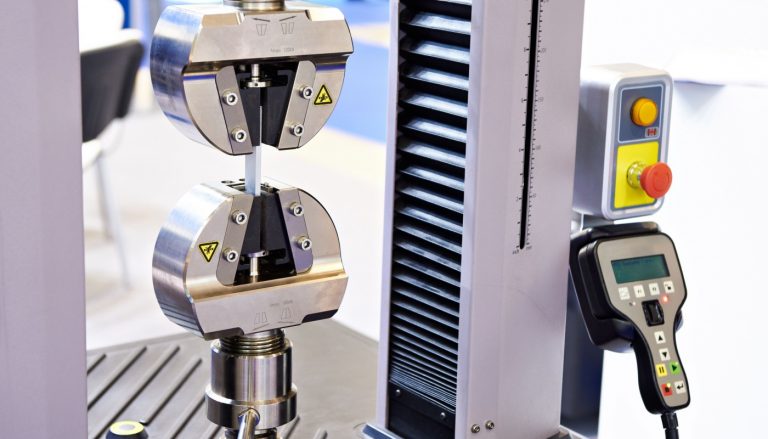
Understanding Tensile, Flexural, and Compressive Testing for Product Performance
Introduction Every product — from automotive components to consumer goods — depends on one critical factor: the strength and reliability of the materials that make it.…

Xenon Arc Testing vs. Carbon Arc: Which Weathering Method Fits Your Material?
In the competitive world of manufacturing, ensuring a product’s performance over its lifespan is non-negotiable. Whether it’s the plastic trim on an automotive dashboard, a specialized…

Elevating the Client Experience: Introducing Our New Head of Client Success
At GPTesting, we’ve always believed that great service starts well before a test begins and continues long after the final results are delivered. Our work is…
Artificial Weathering Testing is Non-Negotiable for New Material Sources
The current reality for manufacturers is relentless supply chain volatility. From swift changes in trade policy and the lingering effects of logistical bottlenecks to increasing pressure…

Dodging OEM Curveballs: How a Proactive Approach Can Prevent PPAP Delays
Ever faced a last-minute testing requirement that threatened to derail your entire production timeline? It’s a high-pressure situation many suppliers know all too well. We recently…

Why UV Exposure Testing is Non-Negotiable for Automotive Durability
In many industries (automotive, construction, textiles, solar energy, etc.), materials are engaged in a constant, relentless battle with the environment. Among these adversaries, few are as…

Sustainable Automotive Materials: Balancing Sustainability and Durability
The automotive industry is in the middle of a major transformation. There is a steady push for more sustainable vehicles and manufacturing practices, from OEMs setting…

The Tariff Effect: Rigorous Material Testing is Now Your Supply Chain Safety Net
The automotive industry thrives on predictable, carefully managed global supply chains. So, when significant trade policy shifts occur—such as the recent roll-out of new tariffs—the entire…

Over 50 Years of Quality and Innovation
At Ghesquiere Plastic Testing, we are more than just a testing lab; we are an A2LA accredited, family-owned business with a deep-rooted commitment to quality, reliability,…

5 Reasons Your Business Should Outsource Automotive Material Testing
Staying competitive requires continuous process improvement. And sometimes that means working smarter, not harder. Material testing outsourcing can streamline operations and increase efficiency in unexpected ways.…
Why Choose an A2LA Accredited Testing Lab?
In the high-stakes world of automotive and manufacturing supply chains, missed deadlines and rejected parts are costly. The best strategy for minimizing these risks is simple:…
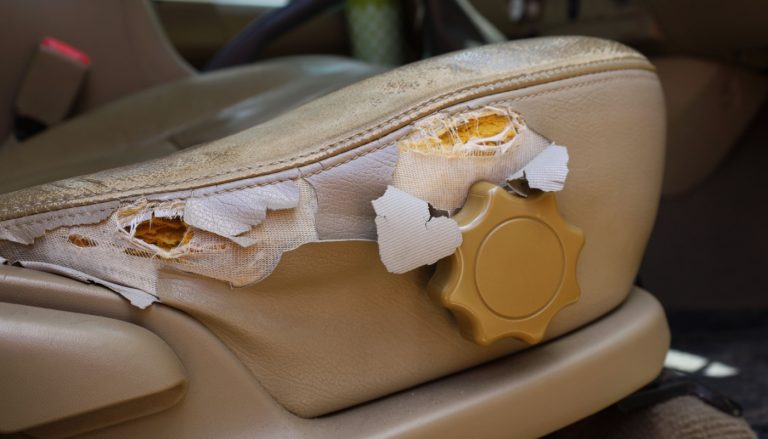
Is your automotive material ready for the ‘real world’?
As an OEM or Supplier, you need your materials to stand the test of time, whether in the scorching heat or freezing cold. Exposure testing ensures…
No articles in this topic yet.
Monthly newsletter
Testing insights in your inbox
One email a month on one topic in automotive materials testing, written by our technical team. No promotional copy.
Unsubscribe anytime.
Have a test method in mind?
Send the method, spec and material. Written quote, usually within one business day.