What Is Accelerated Weathering Testing?
Accelerated weathering testing uses a controlled chamber to reproduce years of outdoor exposure in a matter of weeks to months. For automotive materials, the most common approach is xenon arc, which reproduces the full spectrum of sunlight along with heat and moisture.
What Accelerated Weathering Testing Is
Materials degrade in service. Sunlight breaks down polymers, heat drives chemical change, and moisture cycles open up cracking and adhesion failures. Outdoor exposure produces the most representative data, but it runs in real time, which means a three-year exposure takes three years. Accelerated weathering compresses that timeline by intensifying and controlling the exposure inside a chamber.
A typical automotive accelerated weathering program runs anywhere from one week to six months, depending on the specification and the number of exposure hours required. The chamber controls irradiance, temperature, humidity, and wet/dry cycling so that the conditions are repeatable and tied to a defined standard.
Why Xenon Arc Is the Automotive Default
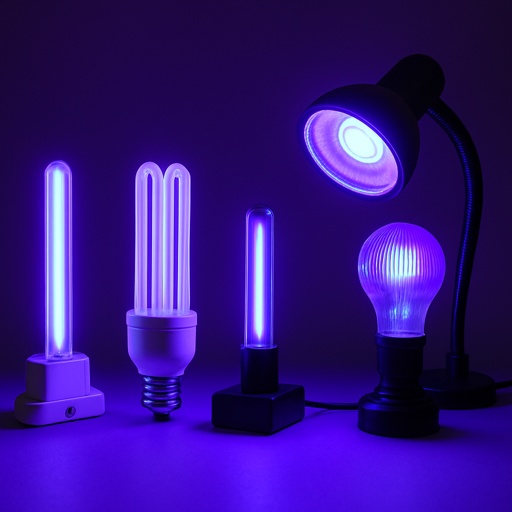
Xenon arc lamps produce a spectrum that closely matches natural sunlight across ultraviolet, visible, and infrared wavelengths. That full-spectrum match is why xenon is the dominant approach for automotive weathering. The relevant standards include ASTM G155 and ASTM D7869, along with the SAE methods that most OEM specifications reference.
Filters are a critical part of the setup. The filter package determines which part of the spectrum reaches the specimen, and different standards call for different filters to simulate different exposure environments. ASTM D7869 uses an improved spectral filter and extended water exposure to correlate more closely with Florida outdoor weathering than older methods.
Interior and Exterior Are Different Tests
A component inside the vehicle and a component on the exterior do not experience the same environment, and the standards reflect that.
SAE J2412 is the interior method. It runs at a higher temperature and has no water spray, because interior materials are shielded from rain by the vehicle glass. SAE J2527 is the exterior method. It uses direct UV and includes water spray to reproduce rain and dew. Running an interior method on an exterior component, or the reverse, produces data that does not answer the question the OEM is asking.
OEM-specific methods layer on top of the SAE baseline. GMW14162 is a General Motors xenon weathering method, and our accreditation covers Method D specifically. Ford FLTM BO 116-01 is an interior xenon method and applies to interior trim, not exterior components. The applicable method is always defined in the OEM material specification.
| Property | SAE J2412 (interior) | SAE J2527 (exterior) |
|---|---|---|
| Black Panel Temperature | 89°C | 70°C |
| Water spray | None | Yes, to reproduce rain and dew |
| Simulates | Shielded interior environment | Full outdoor exposure |
| Applies to | Interior components | Exterior components |
Accelerated Weathering Test Methods for Automotive Plastics
Automotive plastics are where accelerated weathering earns its keep. Interior plastics such as instrument panels, door trim, and consoles are judged mostly on color and gloss change under SAE J2412 or an OEM interior method. Exterior plastics such as mirror housings, cladding, and grilles face UV, heat, and water, so they run under SAE J2527, ASTM G155, or an OEM exterior method and are checked for color change, gloss loss, chalking, and cracking. Two plastics in the same part can respond very differently to the same weathering tests, which is why the method, the specimen, and the evaluation all come from the material specification.
For a side-by-side look at the two main light sources, see xenon arc vs. carbon arc testing. For OEM-specific methods, see our guides to GMW14162 and FLTM BO 116-01 xenon weathering and how accelerated UV testing predicts real-world durability.
How Accelerated Weathering Connects to Other Tests
Weathering rarely stands alone in a qualification program. After exposure, materials move into post-exposure evaluation: color and gloss measurement, adhesion testing, and mechanical property checks. The weathering exposure creates the condition, and the post-exposure tests measure whether the material held.
This is why sequence matters. A program that runs the exposure but skips the post-exposure measurement has not answered whether the material survived. The data the OEM approves against is the comparison between pre-exposure and post-exposure properties.
Frequently Asked Questions
What is accelerated weathering testing?
It is a laboratory method that reproduces years of outdoor exposure in a much shorter time by intensifying and controlling sunlight, heat, and moisture inside a chamber. For automotive materials, xenon arc is the most common approach.
How long does accelerated weathering testing take?
Most automotive programs run from one week to six months, depending on the number of exposure hours or kJ the specification requires and the method used.
What is the difference between SAE J2412 and SAE J2527?
J2412 is the interior method, using higher temperatures and no water spray. J2527 is the exterior method, using direct UV and water spray. They test the same family of degradation in different proportions.
Is xenon arc the only weathering method?
No. Carbon arc methods also exist, but xenon arc is the most common for automotive because its spectrum closely matches natural sunlight. The method that applies to a given program is defined in the OEM specification.
Ghesquiere Plastic Testing, Inc. is an A2LA accredited testing laboratory in Harper Woods, MI, specializing in weathering and flammability testing for automotive materials. Request a quote at quotes@gptesting.com.