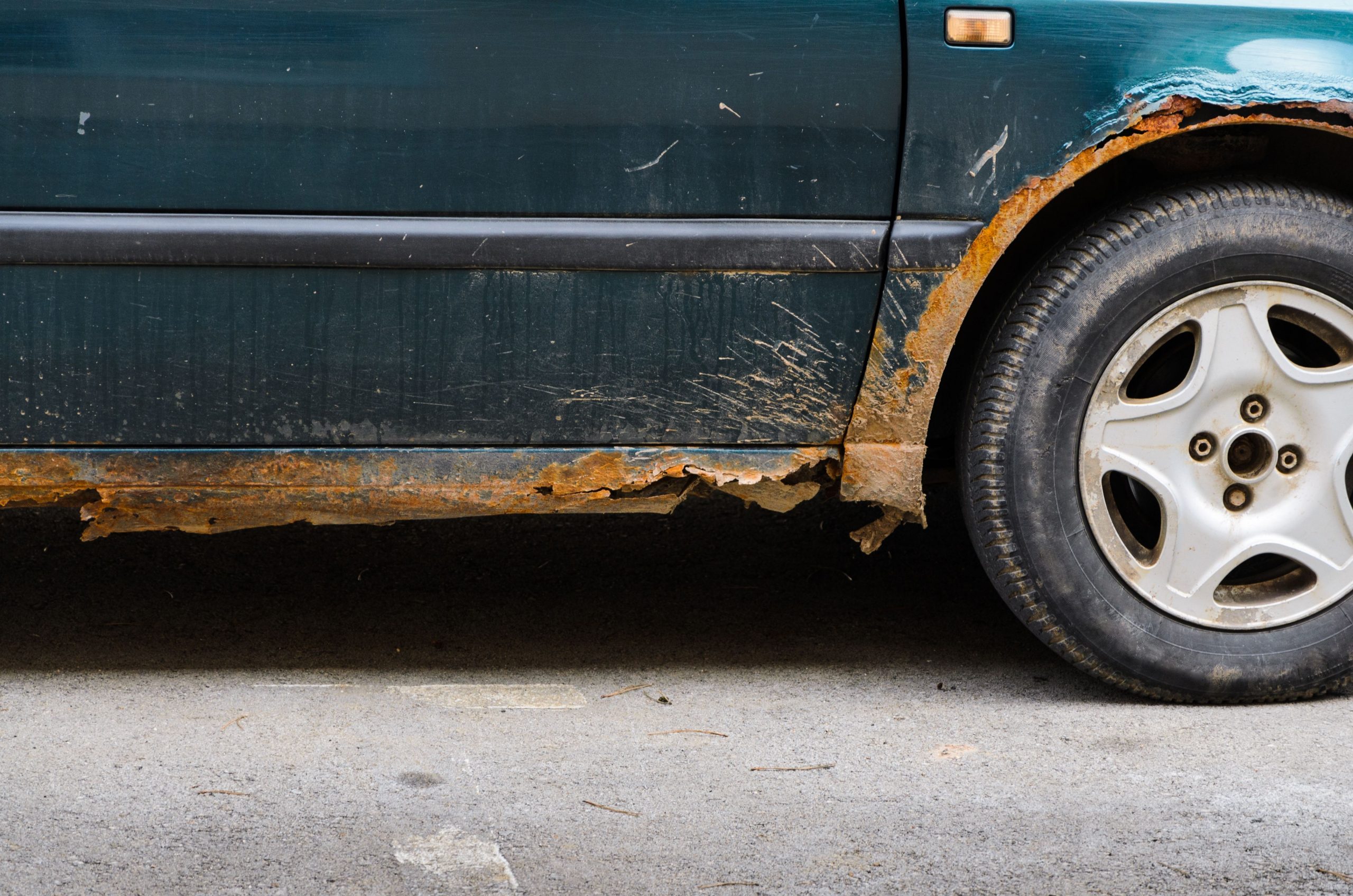
Case Study: Improving Corrosion Resistance with Salt Spray Testing
A Tier 1 supplier reformulated their primer coating midway through a production run. No OEM notification. No requalification test. The change was minor, they said. Six weeks later, the field corrosion reports started. Within three months, they were sitting in a corrective action meeting with the OEM.
This is a case study in what salt spray testing reveals, and what happens when it isn’t run at the right time.
How salt spray testing works
Salt spray testing per ASTM B117 places coated specimens in a chamber that generates a continuous saline fog at 35 degrees Celsius. This accelerated environment simulates years of underbody road exposure in days or weeks. It is one of the most widely referenced corrosion tests in automotive OEM specification packages. See our full corrosion and salt spray test capabilities for the full range of exposure methods we run.
For this case study, we tested three sample groups:
- Original production parts from the approved lot
- Reformulated production parts from the flagged batch
- Reformulated parts with an additional sealer applied at the primer stage
All samples were scribed before testing per ASTM D1654, creating a controlled defect to evaluate undercutting and corrosion creep. This distinguishes adhesion-related failure from general surface corrosion, two different problems with different solutions.
What the test data showed
After 500 hours of salt spray exposure, the difference between sample groups was clear.
The approved parts showed less than 5 percent surface rust and minimal undercutting. The reformulated batch showed 22 percent surface rust and significant undercutting, indicating reduced substrate adhesion rather than simply reduced corrosion resistance. The third group, reformulated parts with an additional sealer, performed comparably to the original lot. Surface rust was under 6 percent and undercutting was within acceptable limits.
What happened at the corrective action meeting
The supplier arrived with documented test data rather than assumptions. The path forward was clear: revert the primer formulation or add a sealer step. No production shutdown occurred.
This is precisely the scenario described in our PPAP Delays case study, where proactive data prevents reactive shutdowns. The case also confirmed an important diagnostic point. The root cause was adhesion failure, not coating chemistry. Without the scribe undercutting data, the supplier might have addressed the wrong variable and repeated the failure.
What belongs in every corrosion testing program
Salt spray testing appears in Ford, GM, Stellantis, Honda, and Nissan specification packages. CASS (Copper-Accelerated Acetic Acid Salt Spray) per ASTM B368 is also in our accredited scope for more aggressive corrosion evaluation of decorative and plated finishes. See our Tests We Perform page to confirm the specific method your OEM requires.
Key variables that determine result validity include the scribe method and location, exposure duration (24 to 1,000 hours or more), and evaluation criteria per ASTM D1654 and OEM material specifications. We confirm OEM-specific requirements before scheduling exposure.
If your program has a coating change pending without a salt spray plan, now is the time to build one.
Request a quote for salt spray and corrosion testing at gptesting.com
How does salt spray testing work for automotive coatings?
Salt spray testing per ASTM B117 places coated specimens in a chamber generating a continuous saline fog at 35 degrees Celsius. The accelerated corrosive environment reveals coating failures including rust, blistering, and adhesion loss that would take years to develop under normal road exposure. GPTesting runs ASTM B117 as part of its accredited ISO/IEC 17025:2017 scope (A2LA Certificate No. 0079.01).
How long does salt spray testing take?
Salt spray testing durations range from 24 hours for screening to 240, 500, 1,000 hours or occasionally even longer for full OEM qualification. The required duration is defined in the OEM specification. A 500-hour test takes approximately three weeks of continuous exposure plus evaluation and report preparation time.
What is the difference between ASTM B117 and CASS testing?
ASTM B117 is neutral salt spray using a 5 percent sodium chloride solution. CASS (Copper-Accelerated Acetic Acid Salt Spray) per ASTM B368 adds copper chloride and acidifies the solution, creating a more aggressive environment used for decorative chrome and nickel coatings. Both methods are in GPTesting’s accredited scope.
Why do you scribe the specimen before putting it in the salt spray chamber?
A scribe line is a controlled defect cut into the coating before exposure. Measuring corrosion creep and undercutting from the scribe line after testing distinguishes adhesion failure from surface corrosion. Both are evaluated per ASTM D1654 or the OEM specification requirements and are required in most OEM corrosion specifications.
Which automotive OEMs require salt spray testing?
Ford, General Motors, Stellantis, Honda, Nissan, and Toyota all reference salt spray testing in material and coating specifications. Specific durations and acceptance criteria vary by OEM, application, and component location. Confirm the applicable specification revision and acceptance criteria before submitting samples.