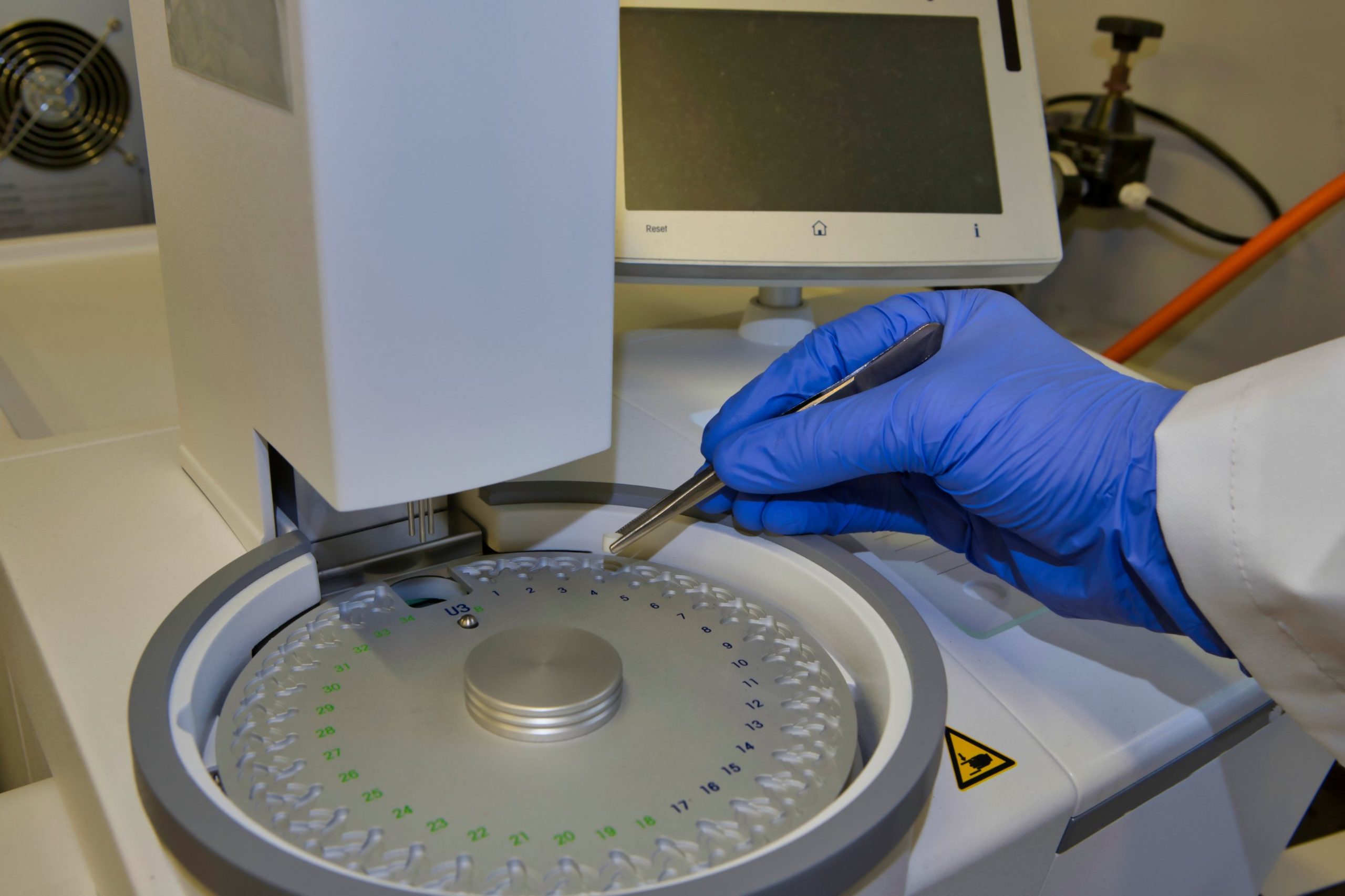
Specific Heat Capacity Testing by DSC (ASTM E1269)
ASTM E1269 determines the specific heat capacity of a material by differential scanning calorimetry (DSC), comparing the heat flow into a specimen with the heat flow into a sapphire reference. The result is a measured value for the energy a material absorbs per unit of mass for each degree of temperature rise.
What ASTM E1269 Covers
ASTM E1269 is the standard test method for determining specific heat capacity by DSC. It applies to thermally stable solids and liquids, which covers many polymers in their normal use range. The normal operating range of the test is 23 °C to about 10 °C above the melting temperature, and the range can be extended depending on the material. ASTM describes the method as a rapid, simple way to determine the specific heat capacity of materials, which makes it practical to repeat across lots, grades, or formulation changes during a development program.
For a supplier quality or materials engineer, the practical point is that a specific heat value has no meaning without the temperature it was measured at. A customer drawing, a simulation input sheet, or a supplier quality agreement that asks for specific heat usually needs a value, or a curve, across the temperature window the part will see. Check that window against the method range before samples ship, and confirm the method is on the lab scope through our scope of accreditation.
How the Three-Run Sapphire Method Works
DSC does not read specific heat directly. It records the heat flow needed to keep a specimen and an empty reference on the same temperature program, and specific heat is calculated from that signal. The E1269 approach uses three runs under the same conditions: a baseline run with empty pans, a run with a sapphire reference disk, and a run with the specimen. Sapphire serves as the reference because its specific heat is well characterized across a wide temperature range.
Because the final number comes from comparing three separate curves, the runs must match. The same temperature program, the same pan type, and the same instrument settings apply to all three, since a change between runs shows up as errors in the result. Specimen and reference masses are measured and used in the calculation. When an application spans a wide temperature range, ask for the full specific heat curve instead of a single value, since the curve shows where the property changes.
This is also why preparation matters. Moisture, residual solvent, or a different thermal history in the specimen can shift the measured heat flow. Tell the lab what the material is, how it was molded or cured, and how it was stored, so the specimen is prepared and run consistently.
Why Specific Heat Matters for Automotive Plastics and Composites
Specific heat capacity is a thermal property input. It describes how much energy a material takes up as it heats, which governs how quickly a part warms or cools when heat is applied or removed. Engineers use it, along with thermal conductivity and density, in thermal models of components that sit near heat sources or generate heat of their own.
The same property feeds process work. Injection molding cooling analysis and simulation use resin thermal properties to predict how a part gives up heat in the tool. For electronics enclosures and battery-related housings, heat capacity is one of the values behind a thermal management estimate. In each case, the quality of the output depends on the quality of the input.
Polymers add a complication. Their specific heat changes with temperature, and it changes more near a glass transition or melting event. A single handbook number at room temperature may not represent the material at its operating temperature. Measured data on the actual grade, with its fillers and additives, removes that uncertainty. If you are building or auditing a thermal model, talk to the lab about the temperature range and number of points the model needs.
Where Specific Heat Fits Among DSC Methods
Specific heat capacity, glass transition, melting, and crystallization are all measured on the same type of instrument, and GPTesting runs several DSC standards under A2LA Certificate No. 0079.01. Along with ASTM E1269, the thermal analysis scope lists ASTM E1356 for transition behavior, and ASTM D3418 and the ISO 11357 series for DSC of plastics, including ISO 11357-1 for general principles. These methods allow you to determine melt points, glass transition temperatures, and crystallization temperatures, and to evaluate for copolymers or contamination.
A specification that asks for “DSC data” without a method number leaves room for reporting the wrong information. Naming the standard, the temperature range, and the property you need avoids a repeat submission. Our DSC test listing and the full tests database show the methods in scope, and the ASTM E1269 listing shows the current edition of the standard. Our Testing Readiness Checklist lists what to gather before samples ship.
If your program needs specific heat data, request a quote with your material, temperature range, and deadline, and we will confirm the method before testing starts.
Frequently Asked Questions
What is ASTM E1269?
ASTM E1269 is the standard test method for determining specific heat capacity by differential scanning calorimetry. It applies to thermally stable solids and liquids.
What temperature range does ASTM E1269 cover?
The normal operating range of the test is 23 °C to about 10 °C above the melting temperature. The range can be extended depending on the material.
Why is sapphire used in specific heat testing by DSC?
Sapphire is a reference material with a well characterized specific heat over a wide temperature range. The heat flow measured on the specimen is compared with the heat flow measured on sapphire under the same conditions, and the specific heat is calculated from that comparison.
Does DSC specific heat testing require more than one run?
Yes. The method compares three runs made under the same conditions: a baseline with empty pans, a sapphire reference, and the specimen. Instrument manufacturers describe this three-experiment approach for conventional DSC heat capacity work.
Is ASTM E1269 on the GPTesting scope of accreditation?
Yes. ASTM E1269 is listed under Thermal Analysis (DSC) on the GPTesting A2LA scope, Certificate No. 0079.01, ISO/IEC 17025:2017.
Ghesquiere Plastic Testing, Inc. is an A2LA accredited testing laboratory in Harper Woods, MI, specializing in weathering and flammability testing for automotive materials. Request a quote at quotes@gptesting.com.