Automotive Material Testing: A Supplier’s Guide
Automotive material testing is the qualification of the plastics, polymers, coatings, textiles, and components that go into vehicles, verified against OEM specifications. It spans mechanical, weathering, flammability, thermal, and surface methods, and the specification defines which apply. This guide is the map: what the categories are, how a specification drives them, and where the deeper posts go.
What Automotive Material Testing Covers
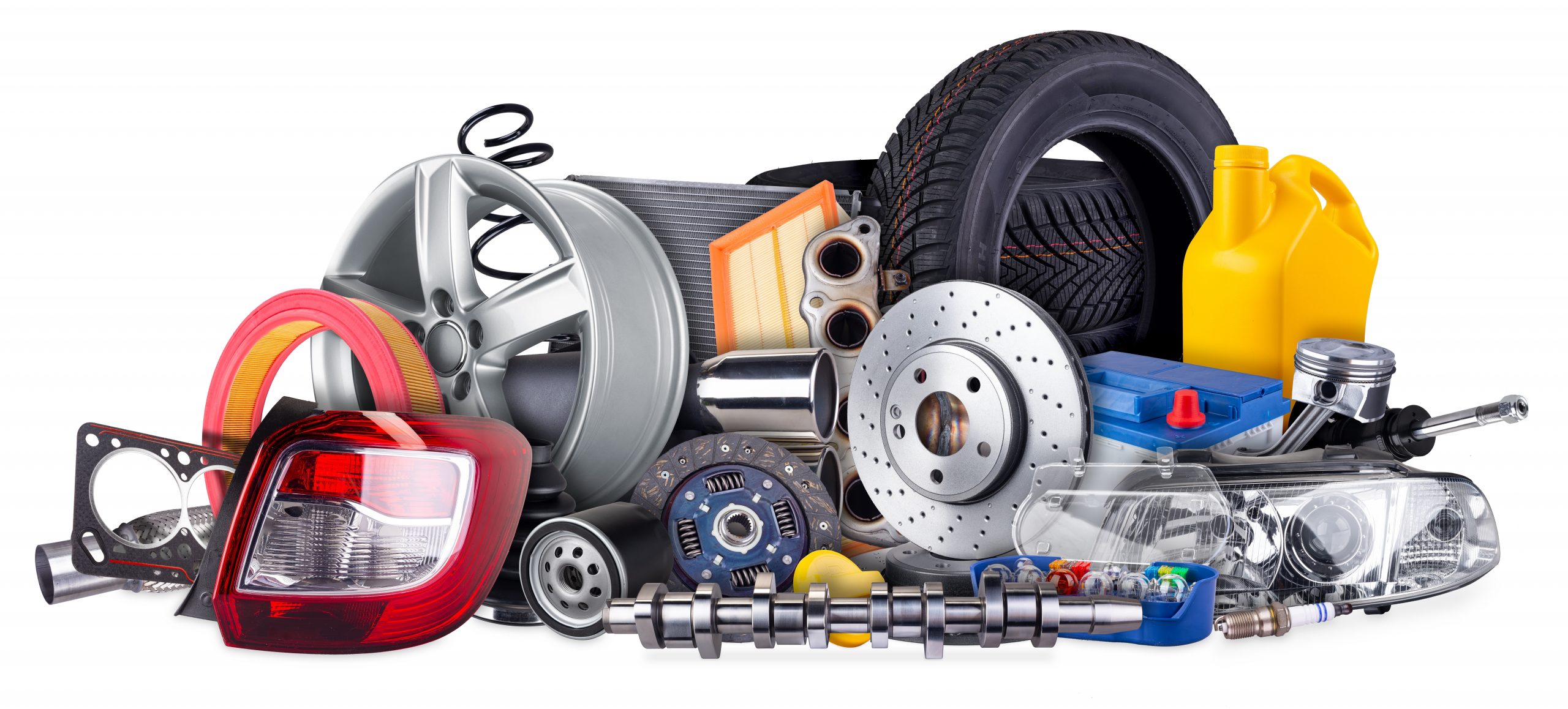
Every material in a vehicle has to perform for years through heat, cold, sunlight, moisture, and use. Automotive material testing is how a supplier proves a material meets the requirements before it ships. The work spans several categories, each answering a different question about how the material performs.
This guide is an overview of those categories and how they fit together. Each links to a deeper post on the specific methods.
The Main Test Categories
| Category | What it answers | Representative methods |
|---|---|---|
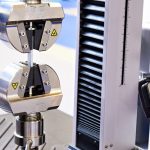
| Mechanical and physical | How the material responds to force | Tensile, flexural, impact, shear |
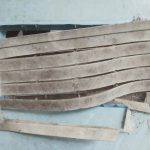
| Weathering and environmental | Whether it holds up to sun, heat, moisture, and corrosion | Accelerated weathering, salt spray, humidity, heat aging, cycling |
| Flammability | Whether interior materials meet burn-rate limits | FMVSS 302 and OEM flammability methods |
| Thermal | How it behaves with heat | Vicat softening, heat deflection temperature, TMA, DSC |
| Surface and appearance | Whether the surface resists wear and keeps its look | Scuff, mar, color, gloss, adhesion |
Mechanical and physical properties describe how a material responds to force, confirming it can carry the loads the part sees in service. Weathering and environmental methods reproduce years of exposure in the lab, confirming the material holds its properties and appearance over its service life. Flammability methods confirm interior materials meet the burn-rate limits required for occupant safety. Thermal methods describe how a material behaves with heat. Surface and appearance methods confirm the surface holds up to wear and keeps its look.
How OEM Specifications Drive the Requirements
The single most important thing a supplier learns is that the OEM specification defines everything: which tests apply, which methods, which acceptance criteria, and which conditioning. A material does not have a fixed test list. The specification for the part determines it.
This is also where most delays start. It is important to determine what tests and methods specified in the OEM specification apply to your material or part. Confirming the type of samples needed before samples are prepared is the step that prevents a rejected submission.
How to Avoid the Common Delays
Three things cause most program delays. First, an ambiguous specification where the wrong method gets run. Second, specimen conditioning, which has to happen at the lab immediately before testing, not before shipping. Third, an accreditation gap, where the lab can run a method but is not accredited for the specific OEM version the submission requires.
All three are preventable with a front-end review of the specification before sample preparation. A short review at the start of a program protects the deadline at the end of it.
Frequently Asked Questions
What is automotive material testing?
Automotive material testing is the qualification of plastics, polymers, coatings, textiles, and components against OEM specifications. It spans mechanical, weathering, flammability, thermal, and surface methods, with the specification defining which apply.
What testing do automotive suppliers need?
It depends entirely on the OEM material specification for the part, which defines the required tests, methods, and acceptance criteria. Common categories are mechanical properties, weathering and corrosion, flammability, surface durability, and thermal behavior.
How does an OEM specification affect testing?
The OEM specification defines which tests apply, which methods, which acceptance criteria, and which conditioning. A material does not have a fixed test list; the specification for the part determines it.
Ghesquiere Plastic Testing, Inc. is an A2LA accredited testing laboratory in Harper Woods, MI, specializing in weathering and flammability testing for automotive materials. Request a quote at quotes@gptesting.com.